

Safari Guide · Packing
The neutral layers, sun protection and clever essentials that earn their place — and how to stay within strict light-aircraft luggage limits.
Pack light, neutral-coloured layers (khaki, olive, beige), sun protection, insect repellent, a warm fleece for early mornings, sturdy closed walking shoes, binoculars and a camera. Bring everything in a soft-sided duffel — most safaris include light-aircraft transfers limited to around 15–20 kg. Many lodges offer laundry, so you can pack for a few days, not the whole trip.
There is no dress code in the bush, and you don’t need to buy a head-to-toe “safari outfit.” The goal is simply to be comfortable, protected from sun and insects, and dressed in colours that don’t stand out to wildlife. Comfortable, casual clothes in muted earth tones do all the work.
Stick to khaki, olive, beige and brown. Avoid bright colours and white (which shows dust), and skip dark blue and black, which can attract tsetse flies. Note that camouflage clothing is illegal for civilians in several African countries.
Temperature swings across a single day matter far more than the season itself — but the season does change how much warm kit you’ll need. Layering is the answer in every case.
The dry winter months bring cold mornings and evenings, especially on open game-drive vehicles. Pack thermal layers, a warm fleece or jacket, a beanie and gloves for dawn drives — then peel layers off as the day warms. Days are usually clear and mild.
The green summer season is hotter and wetter. Prioritise breathable long sleeves for sun and insects, plus a lightweight waterproof jacket for afternoon downpours. Mornings are mild rather than cold, so you’ll need fewer heavy layers.
Shoulder seasons can deliver both extremes in one trip. Pack as you would for the dry season but add a packable rain layer — the safest way to be ready for cool mornings and the occasional shower.
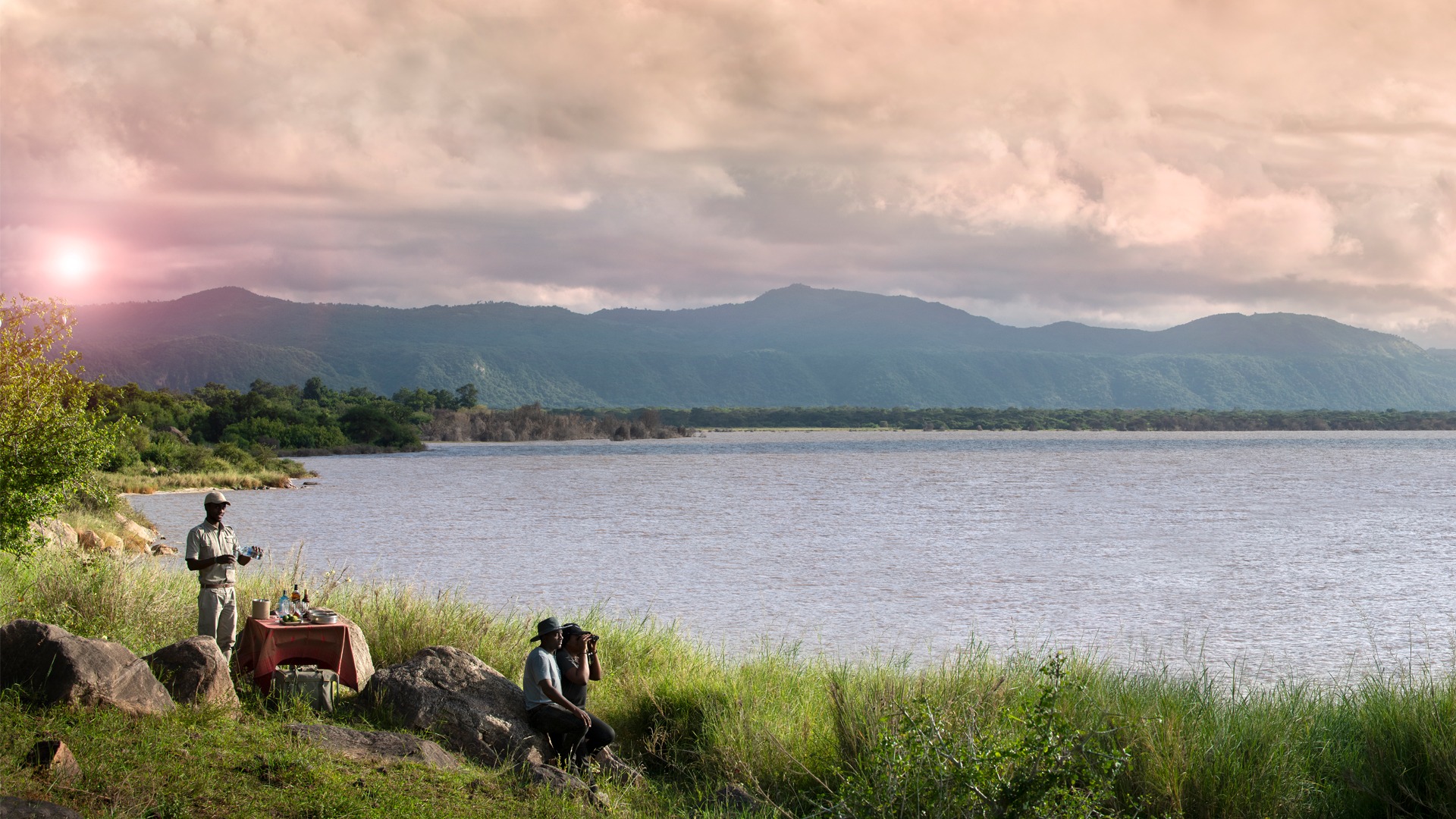
The wilderness can be hard on your body, and a few small items make a big difference to how you feel each day. Lodges usually provide basic amenities, but it’s wise to bring your own essentials.
Health requirements vary by destination. Yellow fever vaccination and malaria precautions are needed for many regions — always confirm with a travel clinic 6–8 weeks before you depart.
Beyond clothes, a handful of well-chosen items quietly improve every day in the bush — from finding your way in the dark to keeping documents safe and tipping your guides.
Bring an empty bean bag with a zip and fill it with rice or sand at the lodge — it’s the simplest way to steady a long lens against the vehicle for sharp wildlife photos.
You don’t need professional equipment to enjoy a safari, but the right optics transform what you see — and what you bring home. If photography matters to you, prioritise reach and stability over carrying lots of bodies.
| Item | What to look for |
|---|---|
| Binoculars | 8×42 or 10×42 — the single most useful item for everyone in the vehicle |
| Camera | A DSLR or mirrorless body with a versatile zoom (around 100–400mm) for wildlife reach |
| Stability | A bean bag (fill on arrival) or lightweight support to steady long lenses |
| Storage & power | Spare batteries and high-capacity memory cards — charging may be limited |
| Protection | A dust-resistant camera bag; the bush finds every gap |
This is the rule that shapes everything else. Many safaris include flights on small bush aircraft with strict baggage allowances — often just 15–20 kg in a single soft-sided bag, with no hard suitcases. Rather than a constraint, treat it as a useful filter that forces you to pack only what matters.
Baggage allowances differ between operators and aircraft, and they’re enforced strictly for safety. Always confirm your exact limit — including hand luggage and camera gear — with us before you travel.
Tell us which wildlife is top of your list and we’ll build a safari around the best places and seasons to find it.
Our specialists match every recommendation to your destination, season and style of travel.
Quick answers to the questions travellers ask us most about safari packing.
Stick to neutral, muted earth tones — khaki, beige, olive and brown. Avoid bright colours and white, which shows dust, and skip dark blue and black, which can attract tsetse flies. Camouflage is illegal for civilians in several African countries.
Many safaris include light-aircraft transfers with strict limits — often 15–20 kg in a single soft-sided bag, with no hard suitcases. Always confirm your exact allowance with your operator before you travel.
No — comfortable, breathable layers in neutral colours work perfectly. The key is layering for cold dawns and hot middays, plus sun protection, sturdy closed shoes and a warm fleece. There's no need to buy a head-to-toe safari outfit.
Far fewer than you'd think. Most lodges offer laundry, so pack two or three changes of neutral clothing and rotate them. This keeps you well within luggage limits and leaves room for the essentials.
Lodges usually provide basic amenities, but bring your own sunscreen, insect repellent, lip balm and a small first-aid kit with any personal medication. Confirm vaccination and anti-malarial requirements with a travel clinic before departure.
PRIVACY POLICY & TERMS