
Safari Guide · Planning
When to go, what to pack, what it costs and exactly what to expect on your very first game drive.
The best all-round time for a first safari is the dry season (roughly June–October), when animals gather at water and grass is low. Budget for guided lodge stays, pack light neutral layers, and let an operator handle permits, transfers and park fees.
Few trips rearrange your sense of scale the way a safari does. You trade screens for horizons, schedules for the slow choreography of a watering hole, and crowds for the quiet of the bush at first light. It is equal parts wildlife, landscape and the people who know the land best.
Timing shapes everything — which animals you’ll see, how green the scenery is, and how much you’ll pay. There’s no single “best” month; it depends on the trade-offs you prefer.
June to October. Thin vegetation and shrinking water sources concentrate wildlife, making sightings easier. Skies are clear and there are few mosquitoes — but it’s peak season, so book early.
November to April. Lush landscapes, dramatic skies, newborn animals and superb birding. Fewer crowds and better value, though afternoon rain and taller grass can make some sightings harder.
The edges of each season often hit the sweet spot: good wildlife, softer prices and quieter camps. Ideal if your dates are flexible.
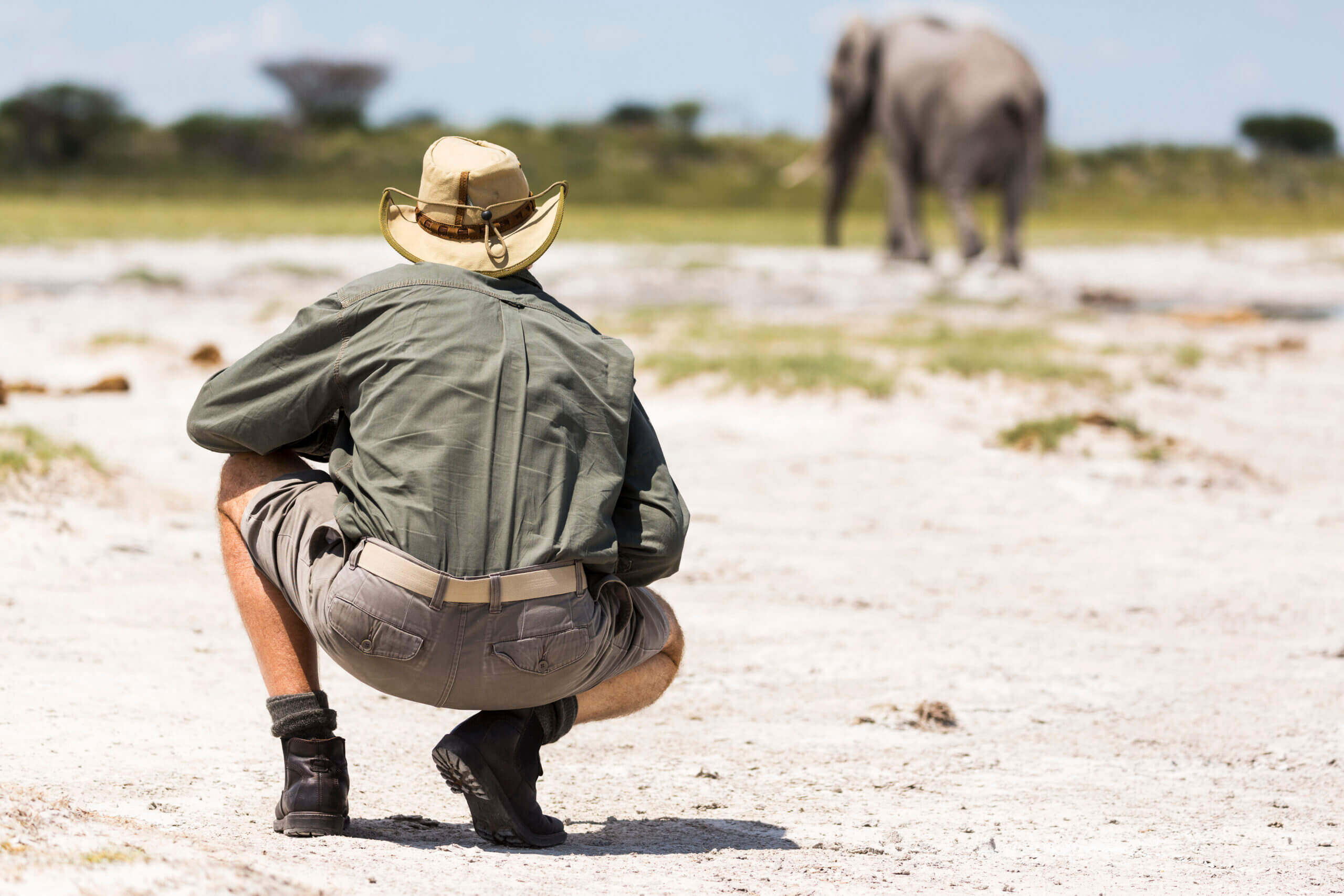
Pack light and in earth tones. Bright colours and dark blue/black can attract insects; camouflage is discouraged in many countries. Layers matter more than anything because temperatures swing widely across a single day.
Most light aircraft transfers limit luggage to around 15 kg in soft-sided bags. Pack a duffel, not a hard suitcase, and confirm the limit with your operator.
Days follow the animals, which means early starts and a relaxed middle. Here’s the rhythm you can expect at most camps:
Safari pricing is usually quoted per person, per night and bundles lodging, meals, drives and park fees. Use this as a rough guide rather than a quote:
| Style | What you get | Per person / night |
|---|---|---|
| Mid-range | Comfortable lodges, shared drives, classic parks | $$ |
| Premium | Smaller camps, private guide options, prime locations | $$$ |
| Luxury | Exclusive lodges, private vehicles, fly-in access | $$$$ |
Park and conservation fees are a fixed cost that funds wildlife protection. They’re usually included in a packaged safari, so always check what a quoted price covers.
Safaris are very safe when you travel with a reputable operator and follow your guide. The main preparation is medical rather than anything to do with the animals.
Visit a travel clinic 6–8 weeks before departure. Yellow fever vaccination and malaria precautions are required for many safari regions. This is general guidance — confirm requirements for your specific destination with a medical professional.
Tell us which wildlife is top of your list and we’ll build a safari around the best places and seasons to find it.
Our specialists build every itinerary by hand around what you want to experience.
Quick answers to the questions first-time safari-goers ask us most.
It varies widely by country, season and style — from comfortable mid-range lodges to exclusive luxury camps. Most guided safaris are quoted per person per night and include lodging, meals, game drives and park fees.
Often yes. Requirements depend on the destination — yellow fever and malaria precautions are common across safari regions. Always confirm with a travel clinic 6–8 weeks before you travel.
Very. Reputable operators use experienced guides and well-maintained vehicles, and safety briefings cover everything you need to know. Following your guide's instructions is the single most important rule.
Three to four nights in the bush is a solid minimum to settle into the rhythm and improve your odds of great sightings. Many first-timers combine two parks over 6–8 days.
It's never guaranteed, but well-chosen parks in the right season offer excellent chances of the iconic species, plus a huge supporting cast of birds, antelope and smaller wildlife. Your guide tracks sightings daily.
PRIVACY POLICY & TERMS