
Safari Guide · Solo Travel
Going on safari alone means freedom on your own terms — here’s how to do it safely, sociably and without overpaying.
Solo safari travel in Africa is safe, social and increasingly popular. You’ll spend most of your time in remote wilderness with expert guides, attentive lodge staff and round-the-clock support. The main trade-off is cost — solo travellers usually pay a single supplement of around 10–30%, which you can reduce by travelling in the green season, booking early, or joining a small group departure.
A safari is one of the most rewarding trips to take alone. The structure of lodge life — shared drives, communal meals, expert guides — means company is always close at hand, while the freedom to set your own pace is yours to keep. Freedom of choice is the new luxury.
Solo travel is common on safari, and lodges are well used to it. Letting the lodge manager know your preferences — communal or private dining, group or solo activities — lets them quietly arrange the trip to suit you.
This is the question we hear most, and the answer is reassuring. Every year millions of travellers from around the world safely enjoy African safaris, and high demand has made the industry one of the most professional in global tourism. You’ll spend most of your trip in remote wilderness areas where crime is extremely rare.
The real “risk management” on safari is simply following your guide’s instructions and keeping a respectful distance from wildlife. Lodges maintain excellent emergency protocols, including access to helicopter and fixed-wing evacuation, so help is rarely far away.
Make sure your travel and health insurance covers emergency medical treatment and evacuation. It’s inexpensive, and it’s the one thing every solo traveller should have in place before departure.
Some safari styles suit solo travellers better than others. The common thread is small scale — intimate camps and groups make it far easier to connect, and to be looked after well.
Small bush camps and lodges (under about 20 guests) are ideal. It’s easy to join conversations and make friends, and the staff are more attentive and observant — they notice when a solo guest would like company, or space.
A tailor-made safari is crafted entirely around your wishes and budget, privately guided or not. It gives you complete control over pace and route — perfect if you want the trip to be exactly yours.
Scheduled group departures run on fixed dates with a guide, and most guests haven’t met beforehand. Smaller groups (4–10 people) are best for solo travellers — sociable, ready-made company, and they spread fixed costs to keep prices down.
Walking safaris are an excellent solo choice: group sizes are small by nature, and the shared, on-foot experience is intimate and naturally social.
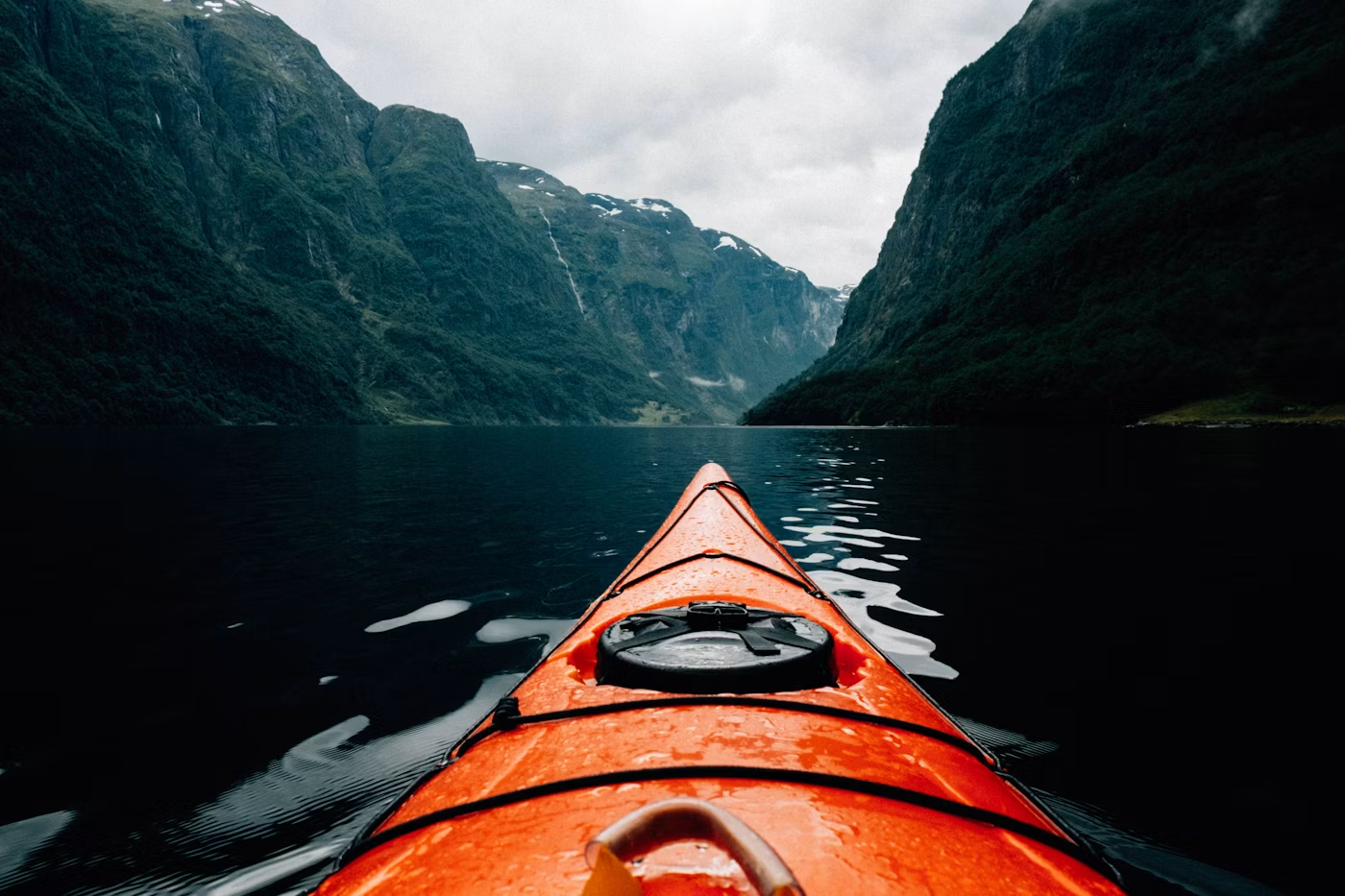
Solo doesn’t have to mean lonely. The rhythm of safari life naturally brings people together, while still leaving room to step back whenever you want quiet. You decide, day by day, how much to share.
The main downside of solo travel is cost. Because most lodge rooms are priced for two people sharing, travelling alone means the lodge loses that second guest’s revenue — so they charge a “single supplement,” typically around 10–30%, to make up part of the difference.
| Strategy | How it helps |
|---|---|
| Travel green season | Off-peak rates are lower and single supplements are often reduced or waived |
| Book early | Early-bird specials and single-supplement reductions are easier to secure |
| Join a small group departure | Shares fixed costs like guides and transfers, lowering the per-person price |
| Be flexible on dates | Shoulder-season weeks can offer prime viewing without peak pricing |
Green-season rates sometimes extend into the weeks just before and after peak season — giving you excellent wildlife viewing at off-peak prices, with the single supplement often reduced too.
A little forward planning makes a solo trip smoother and better value. Lead times matter, especially for peak-season travel and prime locations like Migration river crossings.
From the moment you arrive, you’re supported by guides, lodge teams and round-the-clock assistance. Tell us how you like to travel — sociable or solitary — and we’ll craft a solo safari that feels effortless and entirely yours.
Tell us which wildlife is top of your list and we’ll build a safari around the best places and seasons to find it.
Our specialists match every solo traveller to the right camps, departures and pace — with support at every step.
Quick answers to the questions solo travellers ask us most.
Yes. Millions of tourists safari in Africa every year, and the industry is highly professional. You spend most of your time in remote wilderness where crime is extremely rare, with expert guides, attentive lodge staff and round-the-clock support.
Often, yes. Because lodge rooms are priced for two people sharing, solo travellers usually pay a single supplement of roughly 10–30%. Travelling in the green season, booking early and joining small group departures can reduce or remove it.
Only if you want to. Game drives, walks and meals offer plenty of contact with fellow guests and guides, while you can also choose private dining or your own vehicle. Small camps make it especially easy to connect with others.
Partner lodges have excellent emergency protocols, including access to helicopter and fixed-wing evacuation, so help arrives surprisingly quickly. Make sure your travel and health insurance covers emergency treatment and evacuation.
Book around 12–18 months ahead for peak season, or 6–9 months for off-peak travel, which also offers better rates and availability. Early booking is especially important for prime locations like Migration river crossings.
PRIVACY POLICY & TERMS